


Results aren’t what they used to be. When you search for something on Google these days, you often see more than just a blue link and a short description. You might see ratings under a product, cooking times for a recipe, or even quick FAQs that expand with answers. These are called rich snippets, and they’re becoming a part of modern search results.
Rich snippets are designed to give users extra information at a glance. They help searchers decide which result is most useful before they click. For businesses and website owners, this means standing out on a crowded search page.
The big question is, do rich snippets help with SEO? Do they improve rankings or just make results look nicer? In this blog, we’ll explain what rich snippets are, how they work, and whether they can really make a difference to your SEO performance.
In simple terms, rich snippets are search results that show more information than the usual title, URL, and meta description. If you’ve ever seen star ratings, prices, cooking times, or a list of FAQs under a search result, you’ve already seen rich snippets in action.
Rich snippets in SEO are powered by structured data, which is code added to a webpage that helps search engines understand the content better. This allows Google to display extra information in the search results. For example, an e-commerce site might use rich snippets to show product availability and price, while a recipe site might display preparation time and calorie counts.
The main benefit of rich snippets is that they make a result more attractive and trustworthy. A result that shows more information naturally grabs attention and increases the chance of someone clicking on it. In SEO terms, this means a higher click-through rate (CTR). While rich snippets may not directly boost ranking, they make your listing stand out, which often leads to more traffic and better engagement.
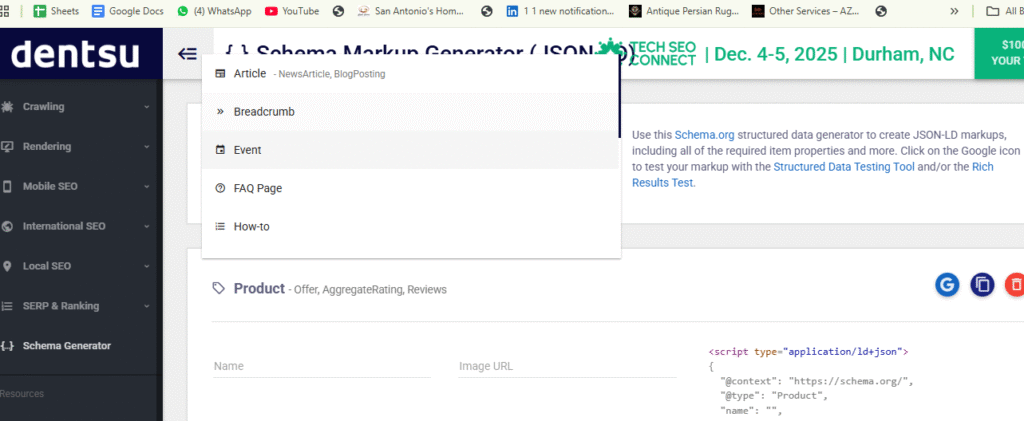
Rich snippets may look complicated, but the process is fairly simple. Here’s how they work step by step:
In short, schema markup tells Google what your page is about, and rich snippets are the visual rewards that show up in search results.
Understanding how rich snippets work can also help you see the broader picture of SEO strategies. If you want to explore how SEO differs from Local SEO in 2025, check out our detailed guide here
The short answer is yes, rich snippets can help SEO, but not in the way many people think. They do not directly improve your Google rankings. Instead, they improve how your content looks in the search results, which can lead to better performance overall.
Here is how rich snippets help:
To sum up, rich snippets may not be a direct ranking factor, but they make your listings more eye-catching and user-friendly. This usually leads to higher CTR, better engagement, and stronger SEO performance over time.
Many people get confused about the difference between rich snippets and schema markup. The truth is that they are closely related, but not the same. Schema markup is the code you add to your website, while rich snippets are the enhanced results that appear in Google after the code is applied.
Think of schema markup as the foundation. It is structured data that tells search engines exactly what your content means, not just what it says. For example, if you write “5 stars” in plain text, Google might not understand it as a review. But if you use schema markup, Google can recognize it as a rating and show it in search results.
Without schema markup, rich snippets cannot appear. This makes schema markup essential for any website that wants its listings to stand out.
Using rich snippets can boost your website’s visibility and click-through rates. To get started, check out our detailed guide on adding schema markup to your website.
Pros of using schema markup:
Cons of using schema markup:
In simple terms, when comparing rich snippets vs schema markup, schema is the code, and rich snippets are the reward you see in search results.
Another common confusion is between rich snippets and featured snippets. While they sound similar, they serve very different purposes in SEO.
Featured snippets are the answer boxes that appear at the very top of Google results, often called “position zero”. They pull short, direct answers from a webpage to quickly address a user’s question. For example, if you search “What is SEO?”, Google might show a featured snippet with a short definition taken from a relevant website.
Rich snippets, on the other hand, are not separate answer boxes. Instead, they enhance your regular search listings with extra details like star ratings, prices, reviews, or FAQs. These appear under your title and description in the normal search results.
Here is the main difference between rich snippets vs featured snippets:
Example use cases:
Both have benefits, but while featured snippets give quick answers, rich snippets focus on making your listing stand out and driving more clicks to your site.
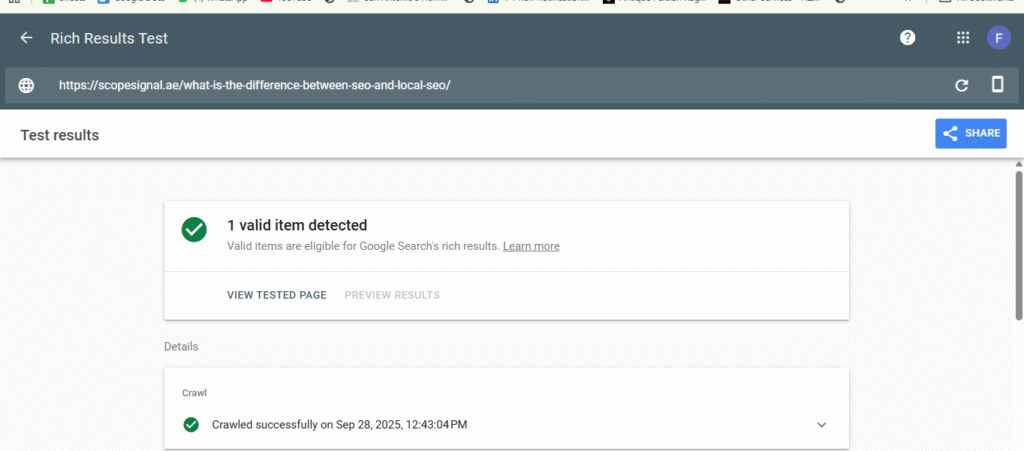
After adding schema markup to your website, it is important to check if everything is working correctly. Google provides a free tool called the Rich Results Test, often referred to as a rich snippets testing tool. This tool helps you see whether your structured data is valid and if your page is eligible for rich snippets in search results.
To use it, you simply enter your webpage URL or paste the code directly into the tool. Google will then scan your page and show you a preview of the eligible rich results. It also highlights any errors or warnings so you can fix them before publishing.
Some common issues include missing required fields, using incorrect schema types, or formatting errors in the code. The tool will point these out and provide guidance for corrections.
By regularly using a rich snippets testing tool, you can ensure your structured data is accurate, up to date, and ready to appear in Google’s search results.
Implementing schema markup is not difficult, but it must be done carefully. Here are some best practices and common mistakes to keep in mind:
Best Practices
Common Mistakes
When used correctly, schema markup improves visibility and makes your listings stand out. The key is to stay honest, relevant, and consistent with your data.
The future of rich snippets is closely tied to the evolution of search and artificial intelligence. As Google and other search engines continue to use AI to better understand user intent, rich snippets are likely to become even more personalized and detailed. Instead of showing the same snippets to everyone, search engines may adapt results based on context, preferences, and browsing behavior.
Voice search and smart assistants will also play an important role. When users ask questions through voice commands, the data behind rich snippets can help provide quick and accurate answers. This makes structured data even more valuable for brands that want to be discovered in new ways.
Large Language Models (LLMs) are also influencing how information is processed and displayed. They are making search engines smarter at pulling out relevant details, which means websites with well-implemented schema markup will have a stronger advantage.
To stay competitive, businesses must continue to adapt their SEO strategies, focusing on structured data and user-friendly content. Rich snippets may not be a direct ranking factor, but they will remain a powerful tool for standing out in search.
Rich snippets are not a magic button for higher rankings, but they are an effective way to improve visibility in search results. By adding structured data and enabling rich snippets, websites can capture attention, build trust, and encourage more clicks.
The main benefits are clear: better click-through rates, stronger credibility, and a more engaging user experience. These indirect signals often lead to improved traffic and long-term SEO success.
If you have not already, start testing your website with Google’s Rich Results Test and explore ways to implement schema markup. Adding rich snippets is a simple step that can make a big difference in how your site performs in search.
Rich snippets are enhanced search results that show extra information like ratings, images, prices, or FAQs beyond the basic title and description. They are made possible through structured data on your pages.
No. Google does not consider rich snippets a direct ranking signal. They help indirectly by improving click-through rates and user engagement.
While results vary, studies suggest a possible 10 % to 30 % increase in CTR when a search result shows ratings or extra details. A more engaging listing naturally draws more clicks.
Schema markup is the code you place on your site so search engines can understand your content. Rich snippets are the visual output in Google search results when that markup is recognized.
Only pages that use supported structured data types and follow Google’s guidelines are eligible. Not all markup will generate a rich snippet, even if implemented correctly.
You can use Google’s Rich Results Test as your rich snippets testing tool. Enter your page URL or code to see if it’s valid and review errors or warnings.
Misusing schema can backfire. Common mistakes include marking content that’s not present, using irrelevant or spammy data, or violating Google’s structured data rules.
Featured snippets are answer boxes that appear at the top of search results and provide direct answers. Rich snippets enhance standard listings with extra context but do not replace the typical listing format.
