Every few years, the same debate comes back: Is SEO dead in 2025? With the fast growth of artificial intelligence, constant updates from search engines, and the rise of large language models that change how people discover information, many wonder if SEO has lost its importance. Search results are no longer just about web pages.
Today, ranking depends on how well AI-driven systems and LLM-powered search tools understand content. The truth is that SEO looks very different compared to a few years ago, but that does not mean it is gone.
So, does that mean traditional SEO is dead? Not really. But it is changing faster than ever. Let’s take a closer look at the trends and data to get a clear pulse check on the state of SEO today.
The idea that SEO is dying is not new. Since the early days of Google, each major algorithm update has led to claims that traditional strategies no longer work. For example, Turkey’s news outlets reported up to 90% loss in traffic after Google’s August 2024 core update, especially from News and Discover features. uSERP Many small businesses also say they saw 30–60% drops in traffic after Google’s March 2024 update.
Another reason people believe SEO is dead is the rise of paid ads. Ads often occupy prime space at the top of search results, pushing organic listings further down.
AI developments add more fuel to these beliefs. Tools like Google’s Search Generative Experience (SGE) are now showing direct answers in search result pages. These summaries sometimes reduce the need for users to click through to websites.
Because of that, many ask why SEO is dead or if organic SEO is dead entirely.
The reality is SEO has changed, not ended. Sites that adjust to algorithm shifts, focus on high-quality content, and adapt to how AI tools treat content still get traffic and visibility.
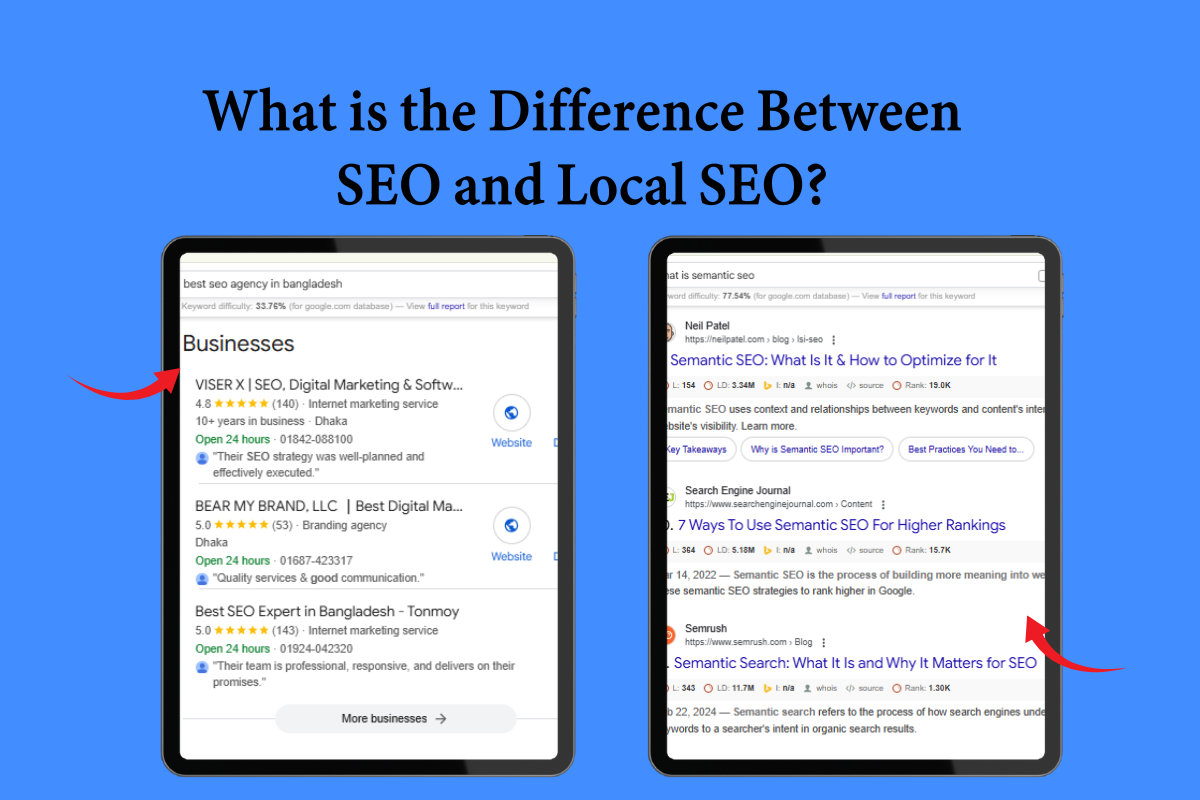
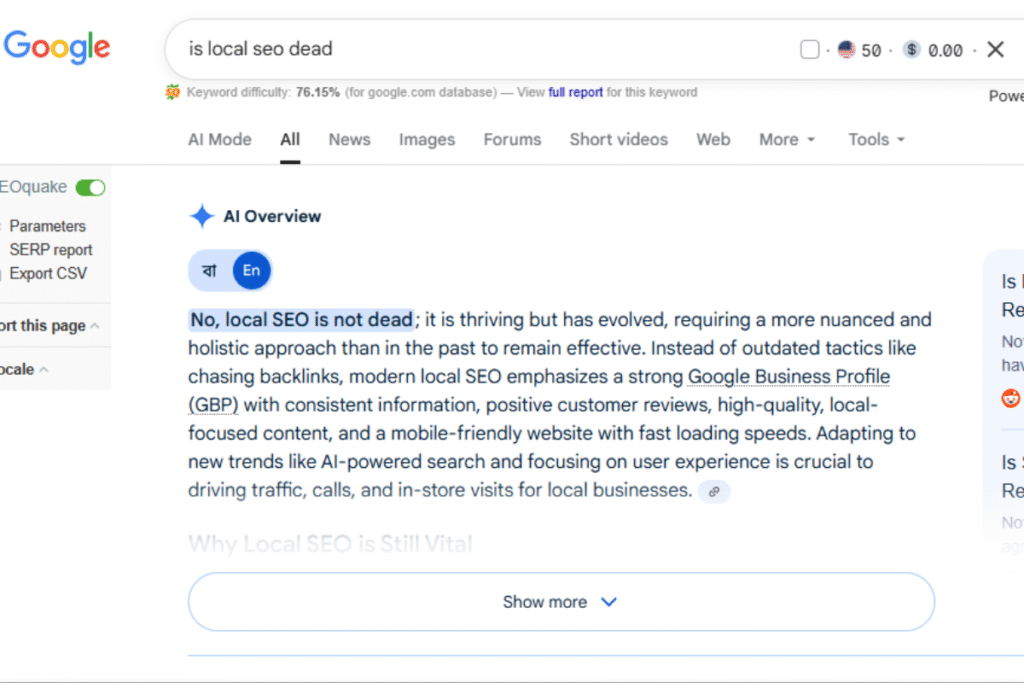
When people ask, is local SEO dead, the answer is simple: no. In fact, local SEO is more important than ever in 2025. Consumers still rely heavily on Google Maps, business listings, and “near me” searches to find restaurants, shops, and service providers nearby. According to Google’s own data, searches containing “near me” have continued to grow year after year, especially on mobile devices.
For small and local businesses, showing up in local results can mean the difference between gaining a new customer and losing them to a competitor. Optimizing your Google Business Profile, managing online reviews, and keeping your business details consistent across local citations are still vital. Far from being dead, local SEO remains one of the most effective ways for businesses to connect with their communities and attract nearby customers.
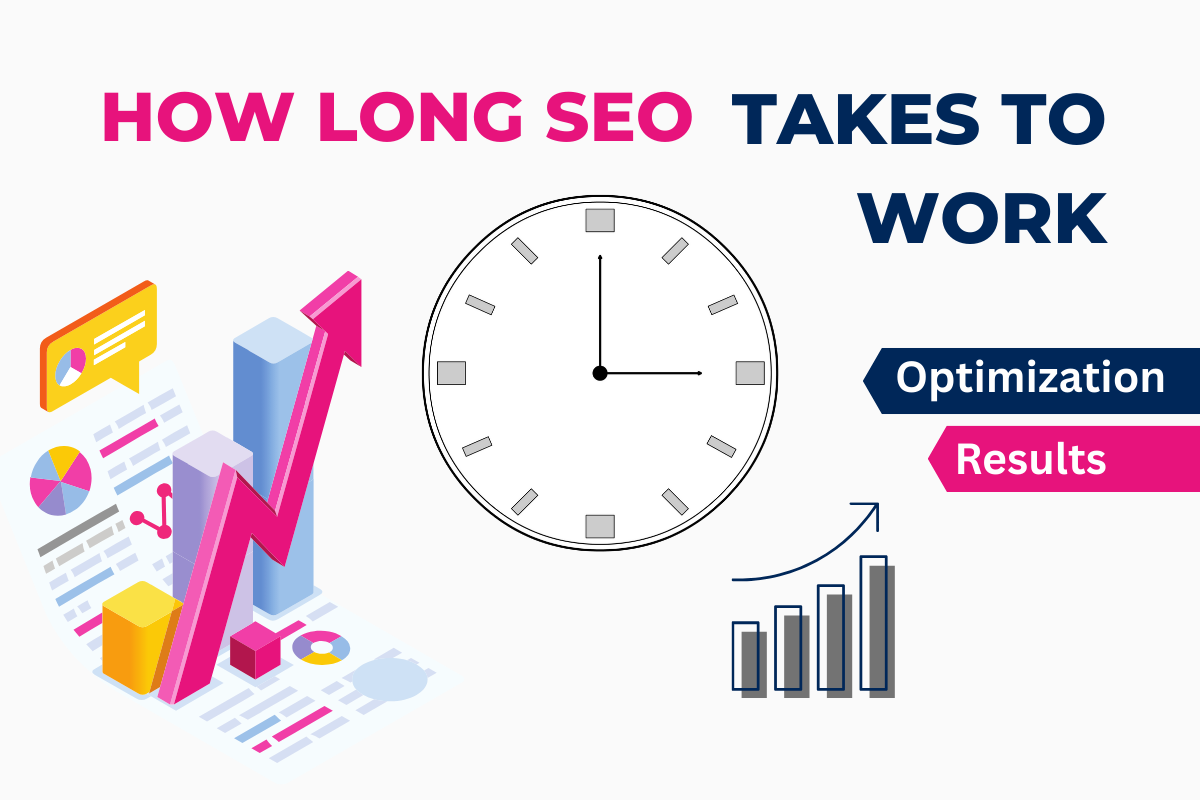
For a detailed breakdown of when you can expect SEO results, read our article on How Long Does SEO Take to See Results?
SEO in 2025 looks very different from a few years ago. The rise of artificial intelligence and voice search is reshaping how people discover information online. Instead of typing short keywords, users now ask full questions through voice assistants or AI tools. This shift makes conversational, intent-focused content more important than ever.
One clear signal of change is in featured snippets, zero-click searches, and AI-generated answers. Google’s Search Generative Experience is increasingly showing direct summaries, reducing the need to click through to websites. Sites that structure their content to appear in AI summaries or answer boxes can win visibility even when click rates drop.
Recent Google core updates underscore this evolution. In March 2025, Google rolled out a broad core update from March 13 to 27, causing ranking volatility across many sectors. The update reinforced Google’s focus on helpful, original, trustworthy content.
Marketing Aid In June 2025, Google launched another core update from June 30 to July 17, described as a regular update meant to “better surface relevant, satisfying content for searchers.” Search Engine Land Many sites reported shifts both up and down; some even saw partial recoveries from past algorithm hits.
Beyond just keywords, Google now places heavy weight on EEAT (Experience, Expertise, Authoritativeness, Trustworthiness). To rank well today, sites must show real-world experience, expert authorship, and credible sources. SEO isn’t about stuffing keywords or chasing links anymore. It is about providing real value, aligning with user intent, and building authority over time.
Summary: Focusing on these areas will keep you visible, credible and competitive in 2025’s AI driven SEO landscape.
SEO is not dead in 2025. It’s evolved to meet the needs of an AI driven, user focused digital world. From AI powered search results and voice queries to zero click answers and changing algorithms, the way we find information has changed but the value of SEO remains.
Businesses that adapt to these changes by focusing on quality content, technical optimization, local SEO and brand messaging will thrive. SEO today is about understanding intent, building trust and providing real value.
Rather than asking “Is SEO dead?”, the better question is “How is SEO changing?”. Companies that embrace this evolution will be better positioned to succeed online for years to come.
Yes, SEO is still king in 2025. It’s evolved with AI and changing search habits but optimizing for search engines still drives organic traffic and brand visibility.
GEO is optimizing for AI-driven search results, so your content is referenced by AI tools like ChatGPT and Google’s SGE. It’s all about user intent and content quality over traditional keyword strategies.
AI has changed SEO by how users search and consume information. With AI-powered tools providing direct answers, SEO now includes optimizing for AI-generated responses and conversational queries.
Yes, local SEO is still important for businesses targeting specific geographic areas. Optimizing for local search gets you in location-based queries and nearby customers.
Optimizing for AI and voice search, user experience and site speed, high-quality content, structured data for better search visibility.
Understand user intent, optimize for AI and voice search, site speed and mobile-friendliness, create valuable content, structured data for better search performance.
AEO is optimizing for AI-generated answers and voice search results. It’s about providing clear, concise and authoritative information that AI tools can reference easily.
SEO results take 3 to 6 months to show. Content quality, competition and website authority affects timing and consistent optimization is key.
Both. Traditional SEO gets you ranked, AI optimization gets you visible in AI-generated responses and voice search results.
High-quality user-focused content, technical SEO (site speed, mobile optimization), authority through backlinks, optimizing for AI and voice search.